

Johns Island · Wadmalaw · history
The Johns Island tomato
How Sea Island cotton gave way to tomatoes and other truck crops, who did the work, and where to buy the island’s tomatoes now. Every line carries its source.
Last verified
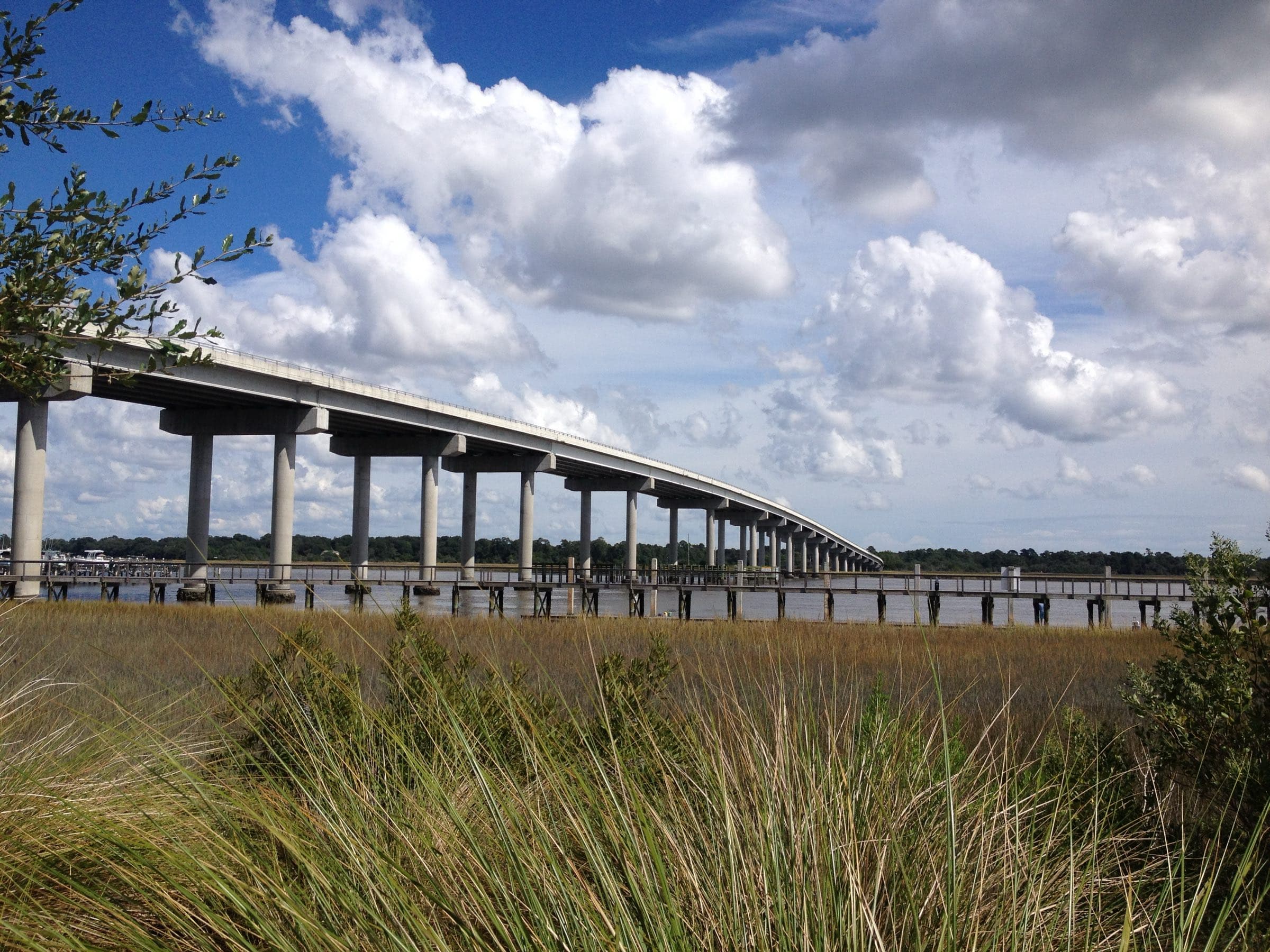
Photo: Cantbeatpie, CC BY-SA 3.0, via Wikimedia Commons (resized)
Johns Island's tomatoes are a truck-farming story: fresh crops grown to ship. After Sea Island cotton failed in the early 1900s, island farms turned to vegetables; a packing plant at 860 Main Rd packed and shipped tomatoes for Johns and Wadmalaw farms.[1,2,3,4]
South Carolina tomatoes are in season June–July and again September–November. Ambrose Family Farm and Rosebank Farms grow them; Stono Market and the Fields farm stand list them among what they sell.[5,6,7,8,9]
Before the tomato
From Sea Island cotton to truck crops
Long-staple Sea Island cotton grew only in the coastal areas south of Charleston. The Civil War broke the Sea Island economy, the crop was no longer viable by the 1910s, and the boll weevil of the 1910s and 1920s was the final blow.[1]
Truck farming, growing fresh vegetables to ship to city markets, began in South Carolina after the Civil War, as cities grew and railroads sped shipping.[2]
In 1868, William Geraty and Frank Towles began truck farming on Yonges and Wadmalaw Islands.[2]
Truck acreage across the coastal counties rose from 2,103 acres in 1889 to 4,928 in 1900. Meggett became a world leader in cabbage and potatoes, shipping several hundred rail cars a day to markets east and west.[2]
Tomatoes and melons later replaced the old cotton and rice fields. In 1932, Clemson opened the South Carolina Truck Experiment Station near Charleston, now the Coastal Research and Education Center. By the late 1970s, truck farming had come into its own.[2]
On Wadmalaw, the Charleston Tea Garden began in 1963 on what had been a 127-acre potato farm.[10]
One farm, three centuries
Legare Farms: rice, indigo, cotton, cabbage
Legare Farms dates its start to 1725, when Solomon Legare, a silversmith and early Charleston settler, began farming on Johns Island.[11]
Its first generations grew rice and indigo. The fourth generation grew Sea Island cotton. Indigo was dropped after the Revolution, and cotton after World War I; from the 1920s the farm grew cabbage and potatoes, and later grain, watermelons and cantaloupes. The Post and Courier's account of the farm acknowledges that it used enslaved labor.[3]
The farm marked 300 years at a Heritage Day on Mar 8, 2025.[3]
In 2006 it was a 350-acre sod farm and nursery that had run school tours since 2003. Today it is a 300-acre farm with vegetables, beef cattle, heritage hogs and laying hens, run by the ninth generation.[12,13,14]
860 Main Road
The DiMare packing plant
Behind Stono Market, at 860 Main Rd, stands the former DiMare tomato packing plant. Charleston County's planning director, Joel Evans, said local farms on Johns and Wadmalaw Islands used it to pack and ship their tomatoes.[4]
The plant had sat vacant for about 15 years when its 16 acres were bought in 2025 for redevelopment as Vine Works Trade Park, a name chosen for the site's farming past.[4]
Longtime residents told Evans that most of the East Coast's tomatoes once came from the islands. That's a memory, not a measured figure, and it's printed here as one.[4]
Who did the work
Field hands, crews and the farms that closed
Smithsonian Folkways' 1967 Johns Island album notes that most islanders then worked as domestics and field hands, often commuting to Charleston, and that bridges to the Sea Islands dated only from about 1930. An elder on the record recalls working on white-owned farms for food in the 1890s.[16]
Some large truck farms in the region used African American laborers from South Carolina and Florida; today the crops are harvested by migrant and resident Mexican labor.[2]
Celeste Albers, who farmed on Johns and Wadmalaw, recalled in 2015 that the bigger farms on Johns, Wadmalaw and James Islands grew tomatoes, cucumbers, snap beans, cabbage and potatoes. Migrant crews came each season, and small farms hired through the crew leaders. As those farms closed, the labor stopped coming.[17]
Albers and her husband were pushed off their own Johns Island land by development.[17]
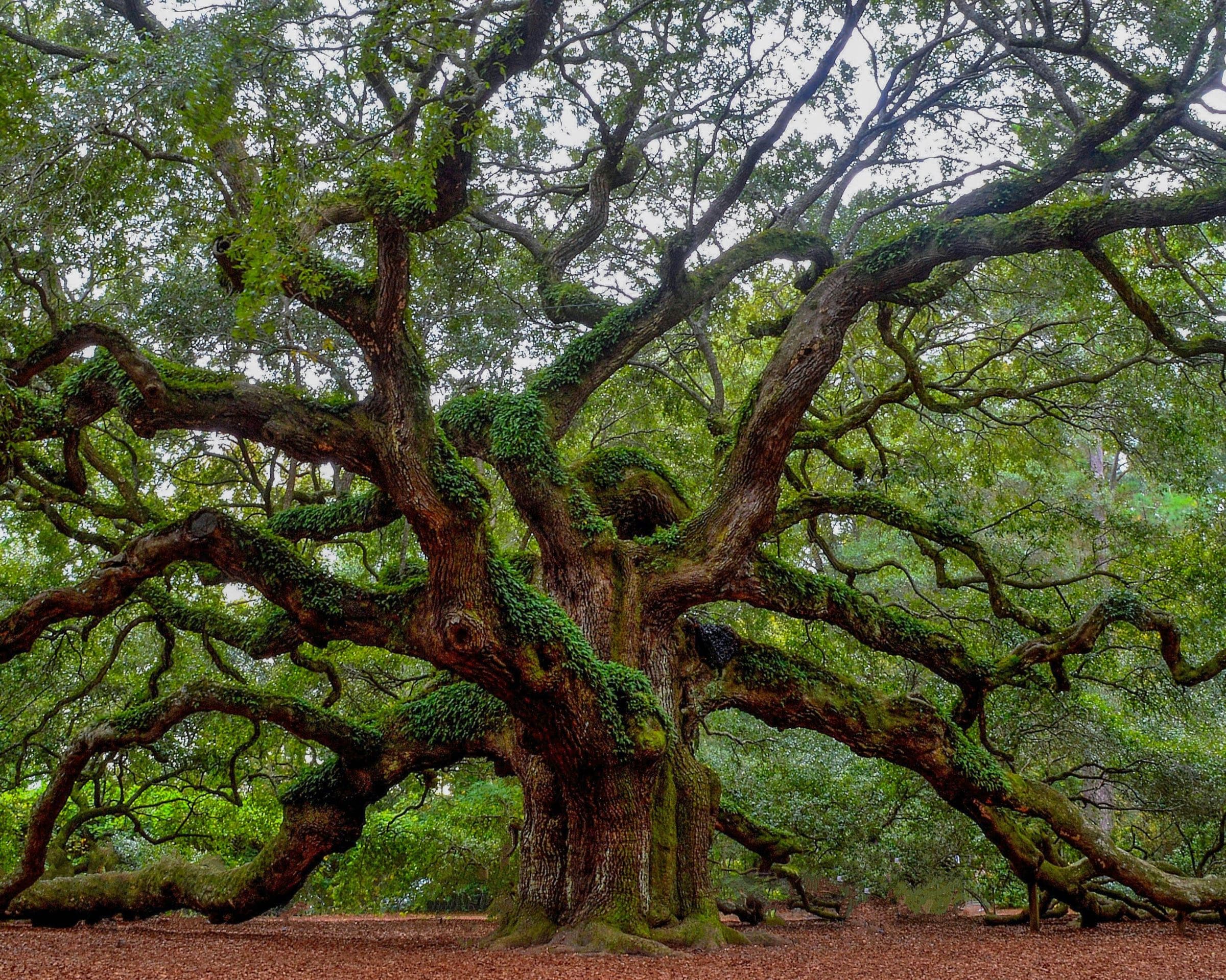
Photo by Andrew Shelley on Unsplash
River Road
Moving Star Hall and the Progressive Club
Moving Star Hall, on River Rd, was built about 1917 by its members, who paid for the land and the lumber. The Moving Star Young Association was chartered in 1920 as a social, fraternal and charitable group, and its members ran a society to tend the sick and bury the dead until the mid-1970s.[18]
When it was entered on the National Register on Jun 17, 1982, it was the only remaining praise house identified in the South Carolina Sea Islands. The praise-house tradition reaches back before the Civil War.[18,19]
Esau Jenkins (1910–1972) left school after the fourth grade to help support his family. He owned a fruit store, a record shop and the J & P Motel & Café. In 1945 he bought a bus for schoolchildren, then drove adults to jobs in Charleston, teaching them the passages of the constitution they had to read to register to vote.[20]
In 1948, Jenkins and Joe Williams formed the Progressive Club. It drew its members from Moving Star Hall and held its early meetings there.[21,18]
After a 1954 Highlander workshop, Jenkins helped found the first Citizenship School with Septima Clark and Bernice Robinson. The club bought the vacant Mount Zion Elementary School in 1956, and the Citizenship School opened there in 1957.[20,21]
In 1963 the club completed a new Sea Island Center on River Rd with a grocery store and fuel pumps, a gym, a day care and dorms, serving Johns, James and Wadmalaw. The store ran until 1975. Dr. Martin Luther King Jr. attended meetings there twice.[21]
The Progressive Club was listed on the National Register in 2007 and added to the African American Civil Rights Network in September 2021.[21]
1969
Rural Mission and the migrant families
Rural Mission, Inc. was chartered in 1969. Its work began in 1954, during the summer vegetable season, when the Sea Islands had a large influx of migrant laborers; its committee hired the Rev. Willis T. Goodwin as a connecting link.[22]
It is based at 3429 Camp Care Rd on Johns Island, and its site still lists a Migrant Head Start program among its services.[23]
Now
Farmworkers and farms today
Thousands of migrant workers come to South Carolina each year, and many work on Johns Island, planting and picking squash, collards and tomatoes. Some stay only for the spring-to-early-summer season; some settle.[24]
The island's Hispanic and Latino population grew 27% over the decade to the 2020 census. Families use the East Coast Migrant Head Start Project, and El Mercadito was one of the first Hispanic stores on the island.[24]
Advocates describe unsafe housing and limited access to care; SC Legal Services' Migrant Unit was photographed at a Johns Island labor camp on Jun 12, 2018.[24]
Joseph Fields Farm on River Rd is a 50-acre certified organic farm stewarded by a third-generation Gullah Geechee farmer, with a fourth generation set to inherit it.[25,26]
Less than 10% of Johns Island is protected land. In January 2025 the Lowcountry Land Trust announced it had protected Grayson Oaks, 94 acres off Main and Humbert Roads, for leased regenerative farming, with trails, field trips and farm stands planned.[27]
The Avery Research Center holds a file, “Farmers on Johns Island, 1936–1988,” with a 1988 interview about a small farmers' cooperative.[28]
In season
When to buy Johns Island tomatoes
South Carolina tomatoes come in two crops: June and July (spring-planted) and September through November (fall-planted), with a gap in August.[5]
In the coastal plain, spring tomatoes are planted March 1 to April 30 and fall tomatoes July 1 to 15; the first harvest comes 52 to 90 days after planting, depending on the variety.[29]
The state's agriculture department calls Johns Island “known for its sun-ripened tomatoes,” with roadside markets along Main, River and Bohicket Roads.[30]
Now
Where to buy tomatoes now
South Carolina’s tomato months, from the state chart: June, July, September, October, November. Listed in the order of the farm map, never ranked.
Johns Island · On the Stono River, off River Rd
Tomatoes are among the summer vegetables in its CSA.[32]
Johns Island · Kiawah River
Grows tomatoes at Kiawah River, and the stand lists them among its produce.[7,31]
Joseph Fields Farm & Fields Farm Produce Market
Johns Island · River Rd
The stand sells tomatoes in season.[9]
Stono Market & Tomato Shed Café
Johns Island · Main Rd
Tomatoes are on its state product list; the Tomato Shed Café is next door to the old packing plant.[8,4]
Wadmalaw Island
Grows tomatoes as a summer crop; the stand is open year-round.[6]
The farms, markets and stands, with their posted hours, are on the farm map; the Saturday market is the Sea Island Farmers Market. Check Island Today for the weather before a farm-stand run. The wider Gullah Geechee story — the praise houses, the churches freedpeople built and the land after 1865 — is on Gullah Geechee on the islands.
Sources
Every source on this page
Each bracketed number above links here. A memoir’s publisher description and residents’ recollections are labeled as such where they appear. Found a better source, or an error? Tell Mike.
- South Carolina Encyclopedia, “Cotton” · checked
- South Carolina Encyclopedia, “Truck Farming” · checked
- Post and Courier, Mar 11, 2025 · checked
- Post and Courier, Sep 11, 2025 · checked
- SC Dept. of Agriculture, South Carolina Produce Availability chart (2019, PDF) · checked
- Ambrose Family Farm (official site) · checked
- SC Biz News, Apr 18, 2024 · checked
- SC Dept. of Agriculture listing: Stono Market & Tomato Shed Café · checked
- AARP, May 1, 2023 · checked
- Charleston Tea Garden: our history · checked
- Legare Farms: History of Legare Farms · checked
- Charleston City Paper, “Keeping It Rural,” Nov 22, 2006 · checked
- Legare Farms (official site) · checked
- SC Dept. of Agriculture listing: Legare Farms · checked
- Field Trip: My Years on a Johns Island Farm (2023), publisher’s description · checked
- Smithsonian Folkways, Been in the Storm So Long, FS 3842 (1967), liner notes (PDF) · checked
- Southern Foodways Alliance oral history, Celeste Albers, Mar 8, 2015 (PDF) · checked
- National Register nomination, Moving Star Hall (NPS) · checked
- South Carolina Encyclopedia, “Praise houses” · checked
- South Carolina Encyclopedia, “Jenkins, Esau” · checked
- National Park Service, The Progressive Club of Johns Island · checked
- Rural Mission, Inc.: our history · checked
- Rural Mission, Inc. (official site) · checked
- Post and Courier, Apr 9, 2024 · checked
- Lowcountry Local First member directory: Joseph Fields' Farm & Market · checked
- Live 5 News, Jun 4, 2025 · checked
- Lowcountry Land Trust, Jan 28, 2025 · checked
- Avery Research Center finding aid, “Farmers on Johns Island, 1936–1988” · checked
- Clemson HGIC tomato factsheet (revised Mar 2, 2022) · checked
- SC Dept. of Agriculture Market Bulletin, Jul 6, 2023 (PDF) · checked
- SC Dept. of Agriculture listing: Rosebank Farms · checked
- Legare Farms: CSA program · checked

Photo by Cody Silver on Unsplash
Two ways in
Talk it through with Mike, or ask Val — the guide’s AI assistant, answering from this site’s sourced facts.